New Policy Brief Published: Amplifying the Voices of Families of the Missing in Syria
Within the framework of the project “Women-Led Transitional Justice and Family Empowerment in Gaziantep,” Amal Healing and Advocacy Center (AHAC), in partnership with Shuaa Al-Amal Family Association, is proud to publish a new policy brief titled: “From Lived Experience to Policy Change: Strengthening Legal Frameworks for Families of the Missing in Syria.”
Centering the Voices of Families
This policy brief was developed as part of a broader effort to center the voices of families of the missing, particularly women, and translate their lived experiences into concrete policy recommendations. The project, funded by the International Commission on Missing Persons (ICMP) with support from the European Union, focuses on strengthening the role of families as active actors in transitional justice processes.
The brief reflects AHAC’s commitment to ensuring that families are not treated only as beneficiaries of justice-related interventions, but as rights-holders, advocates, and key contributors to policy change. Their experiences, demands, and analysis must shape any serious discussion on truth, justice, accountability, and reparations in Syria.
Dialogue-Based Evidence
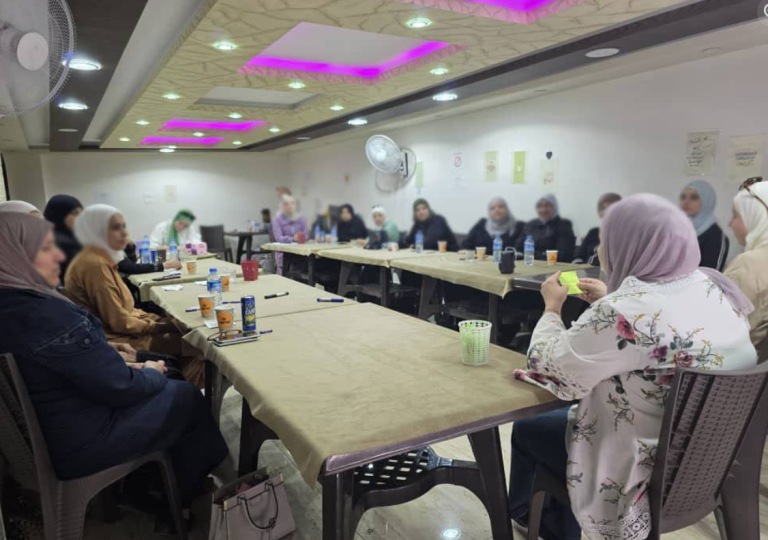
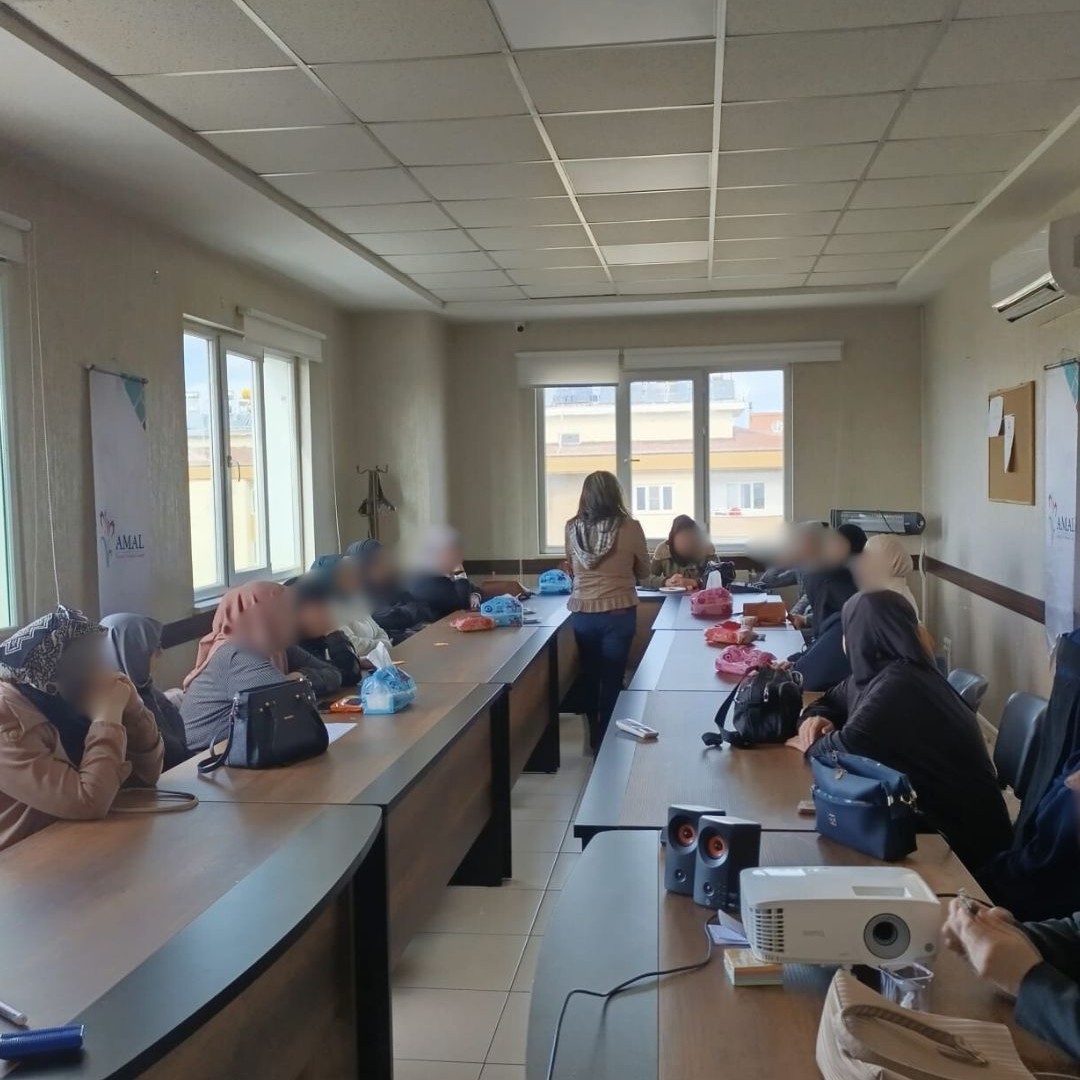
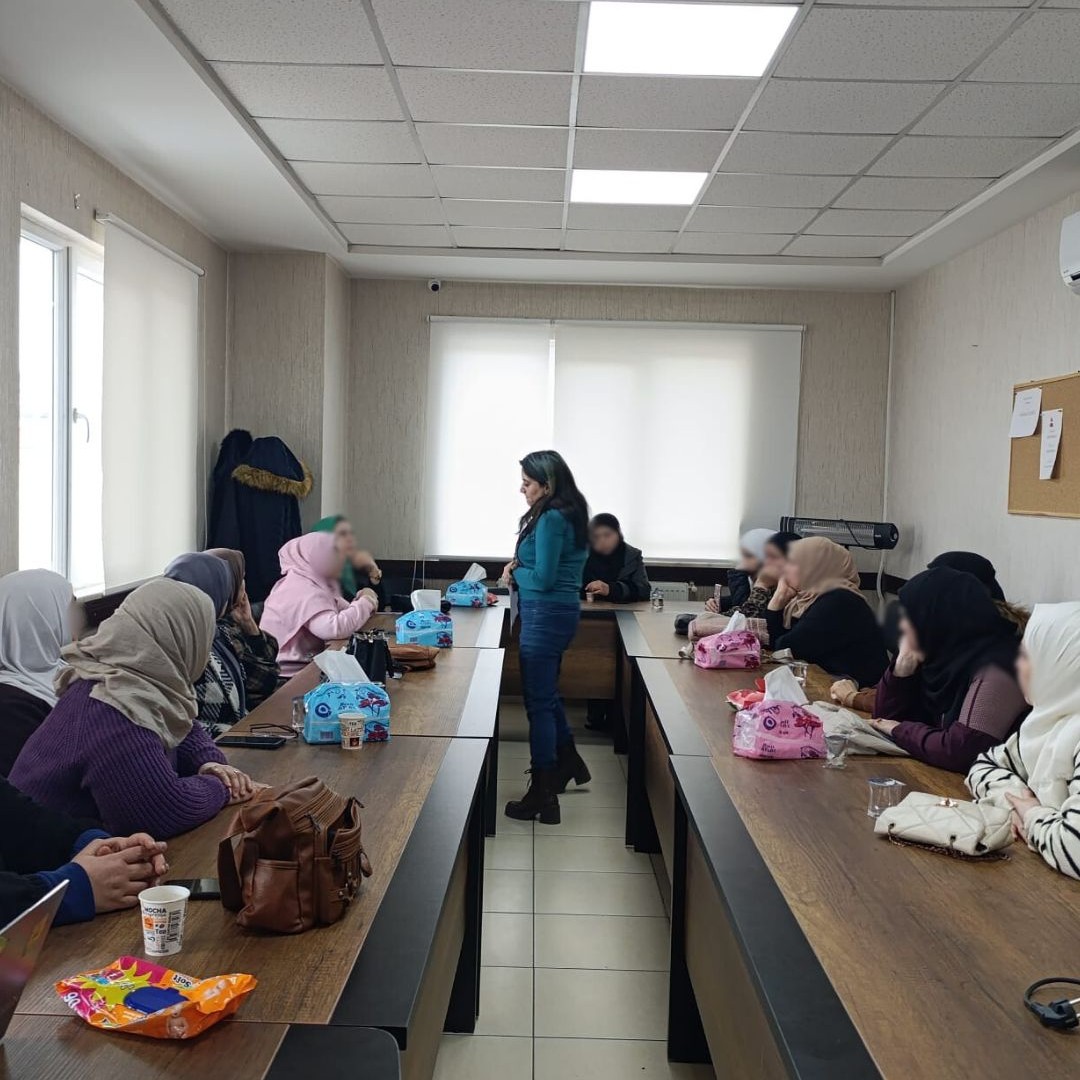
At the heart of this policy brief are five structured community dialogues conducted in Gaziantep, bringing together women family members of the missing. These dialogues created safe and participatory spaces for participants to reflect on justice, accountability, participation, return, and the role of international mechanisms.
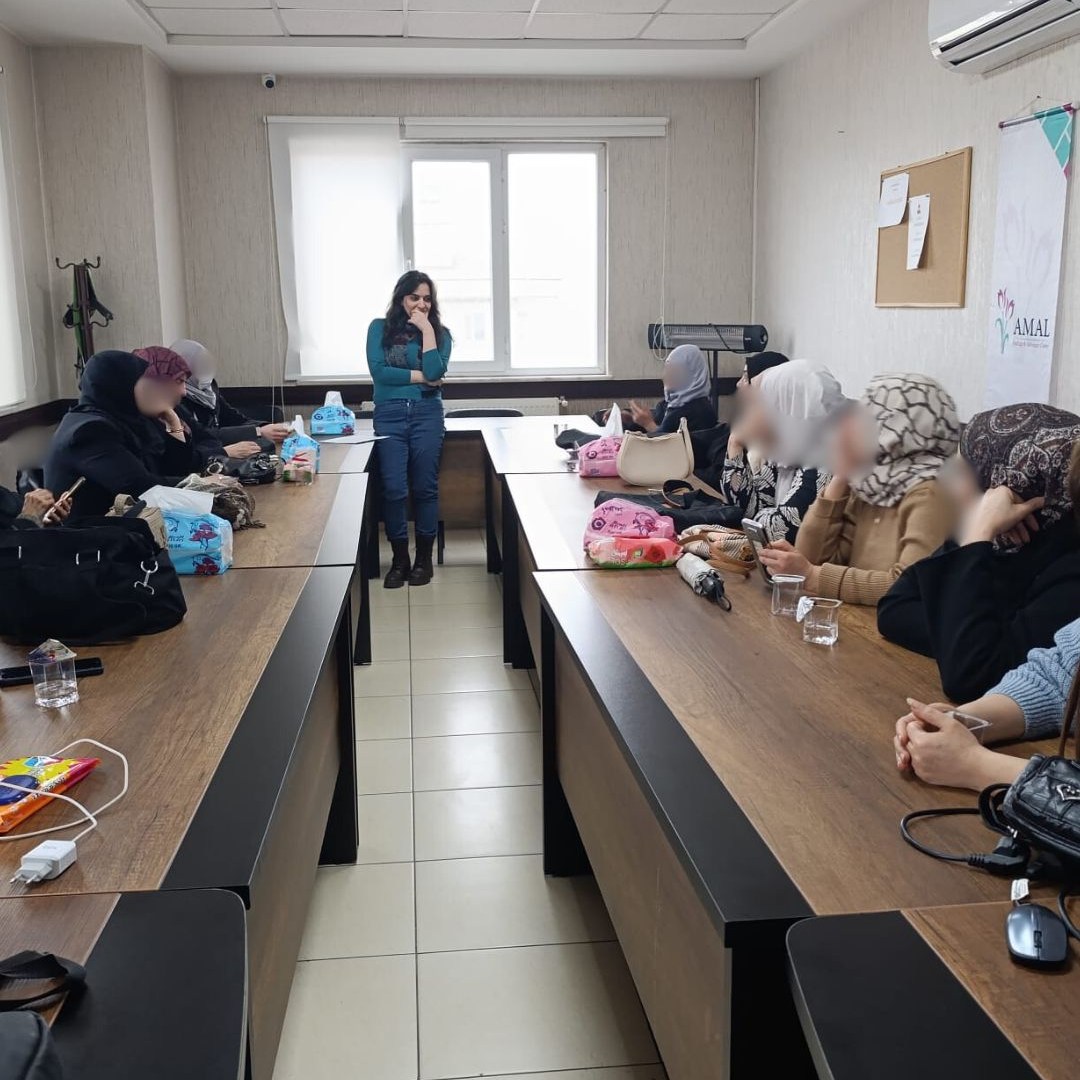
Through these discussions, participants shared their experiences, expressed their priorities, and identified key barriers to accessing justice. The dialogues showed that families of the missing possess deep knowledge of the legal, social, and political challenges surrounding enforced disappearance, documentation, accountability, and recognition.
Main Findings
The findings highlight that justice for families is not a theoretical concept, but a lived reality closely linked to truth, dignity, recognition, and the right to know. Women emerged as central actors in the pursuit of justice, despite facing structural, legal, social, and political barriers.
The policy brief also underscores the urgent need to rebuild trust in both national and international mechanisms. Families repeatedly emphasized that justice processes must be inclusive, transparent, survivor-centered, and responsive to the realities of those most affected by enforced disappearance and conflict-related violations.
Policy Recommendations
Based on these insights, the policy brief presents a set of targeted recommendations directed at national actors, international stakeholders, and civil society organizations. These recommendations aim to strengthen legal frameworks, enhance institutional capacity, and ensure that families of the missing are meaningfully included in all stages of transitional justice.
- Strengthening the legal recognition of the status and rights of families of the missing.
- Supporting accountability-oriented documentation pathways.
- Ensuring sustained funding for family-centered justice initiatives.
- Promoting women’s leadership in transitional justice and advocacy processes.
- Strengthening coordination among civil society organizations and family associations.
Why This Policy Brief Matters
This publication comes at a critical moment for Syria’s future justice discussions. Any transitional justice process that excludes families of the missing will remain incomplete. Families carry the memory of violations, the burden of uncertainty, and the moral demand for truth and accountability.
Families of the missing are not passive beneficiaries. They are actors, advocates, and essential voices in shaping Syria’s path toward truth, justice, and dignity.
Read the Full Policy Brief
The full policy brief is now available online.